How Not To Look Like a Serial Killer
Serial killers in movies rarely look the way we picture criminals.
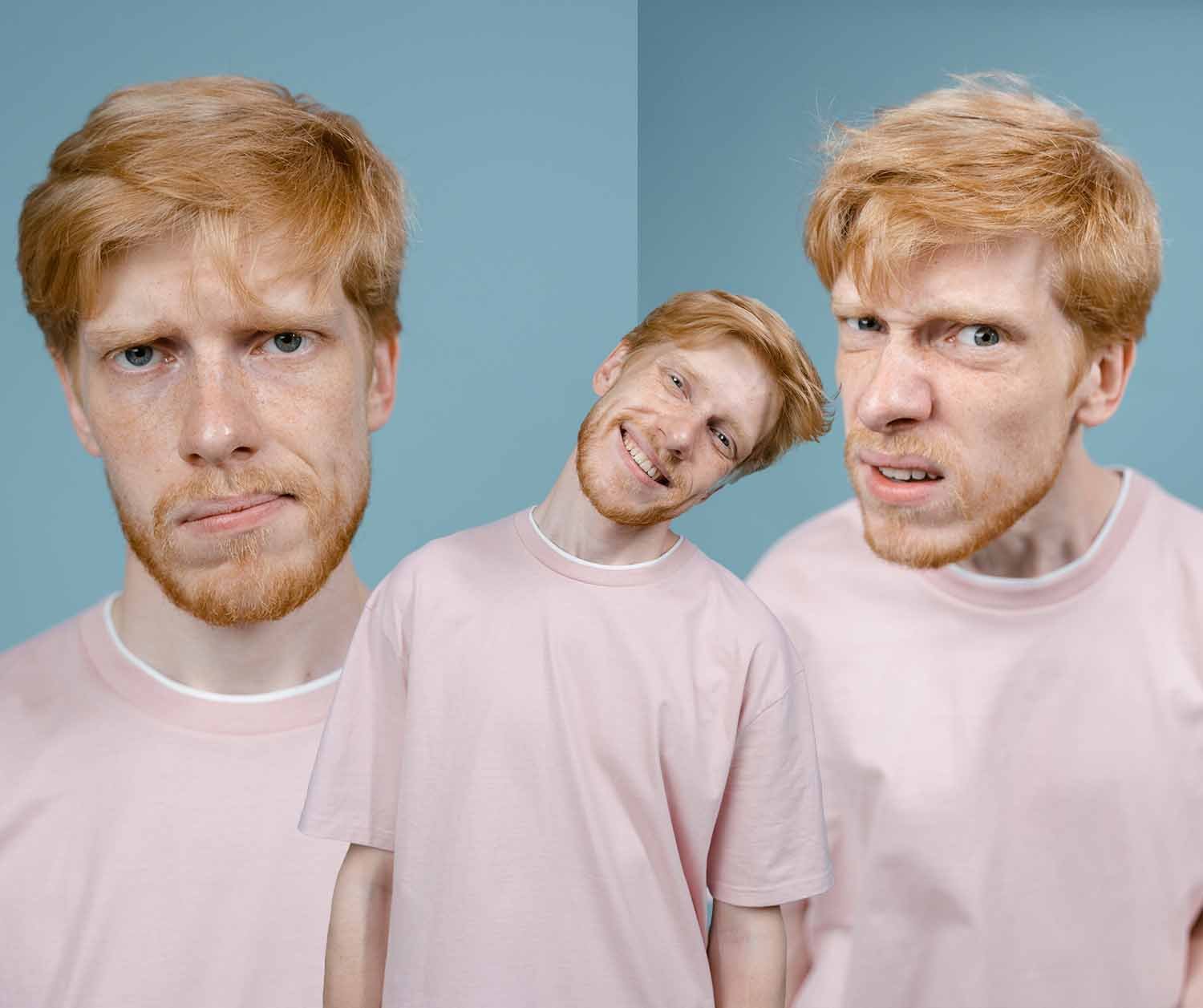
As the story goes, a girl’s date leaves her stranded and she gets a ride home from a harmless-appearing man. You already know the rest. You think you’d never be that naive, but everyone make the same inaccurate snap judgments about strangers.
Unfortunately, impressions aren't always accurate, yet they influence social interactions, hiring, promotions, and perceptions of intelligence. Ted Bundy was a serial killer and was said to look like a nice, young law student.
The Science of First Impressions
Psychologist Alexander Todorov has spent 20+ years studying how people determine personality from faces. Shown a photograph for one-tenth of a second, people confidently rate faces for trustworthiness, competence, aggressiveness, and leadership potential. More time to analyze the face often does nothing to change the first impression.
As Todorov says, “We are extraordinarily fast, and extraordinarily unreflective, when it comes to reading a face.”
Facial Features as Social Signals
People subconsciously associate specific facial characteristics with personality traits. Large or round eyes, high brows, full cheeks, and slightly upturned mouth corners tend to be perceived as likable, trustworthy, and eager to please.
Low-set brows, angular features, a wide jawline and chin, and a serious resting expression tend to be perceived as competent, dominant, and intelligent. Tattoos, beady eyes, scars, and angry expressions can lead to perceptions of criminal tendencies, while faces with facial imbalances have been rated higher for negative traits, like brutality and aggressiveness.
Skin matters, too. Blemishes, surface lesions, and rough texture can diminish perceptions of trustworthiness, competence, attractiveness, health, and maturity.
Emotion Overgeneralization
We also assume personality suggested by a relaxed face. A slight resting smile can suggest friendliness and trustworthiness. Vertical frown lines can make someone appear irritated or angry, while downturned mouth corners imply dissatisfaction or unhappiness. Crow’s feet can suggest someone is easygoing and approachable.
Because we tend to jump to conclusions, someone who looks like they are constantly frowning may be judged as unhappy or unfriendly—even when they aren’t.
Aesthetic Treatments and First Impressions
Customized, nonsurgical treatments can alter your visual signals. A 2023 study found women were rated as more competent, trustworthy, and attractive after facial aesthetic treatments.
For a more dominant appearance, a lower brow line, stronger chin, and wider jaw can be created. To appear more approachable and trustworthy, frown lines can be erased, brows elevated, and facial contours softened. Botox, fillers, and fat grafting can restore youthful contours and improve skin quality, increase attractiveness, and take years off your appearance.
The Bottom Line
You have options to change some of the signals your face sends. The irony is the brain can mistake a serial killer for a nice law student and also mistake a tired face for an unfriendly one.
Your face makes an impression. Make sure it’s the impression you intend. Remember that a first impression is only an impression, not evidence.
Cynthia Elliott, M.D. - Skinspirations.com