When They Say, “I Want to Go Home!”
Anyone who cares for a person with Alzheimer’ s or dementia—a family member, a friend, a nurse—has heard it before, or will: “I want to go home!”
Some patients will pack their suitcases and stack them by the front door, ready to go. This can occur even when they have lived in the same home for thirty years or more.
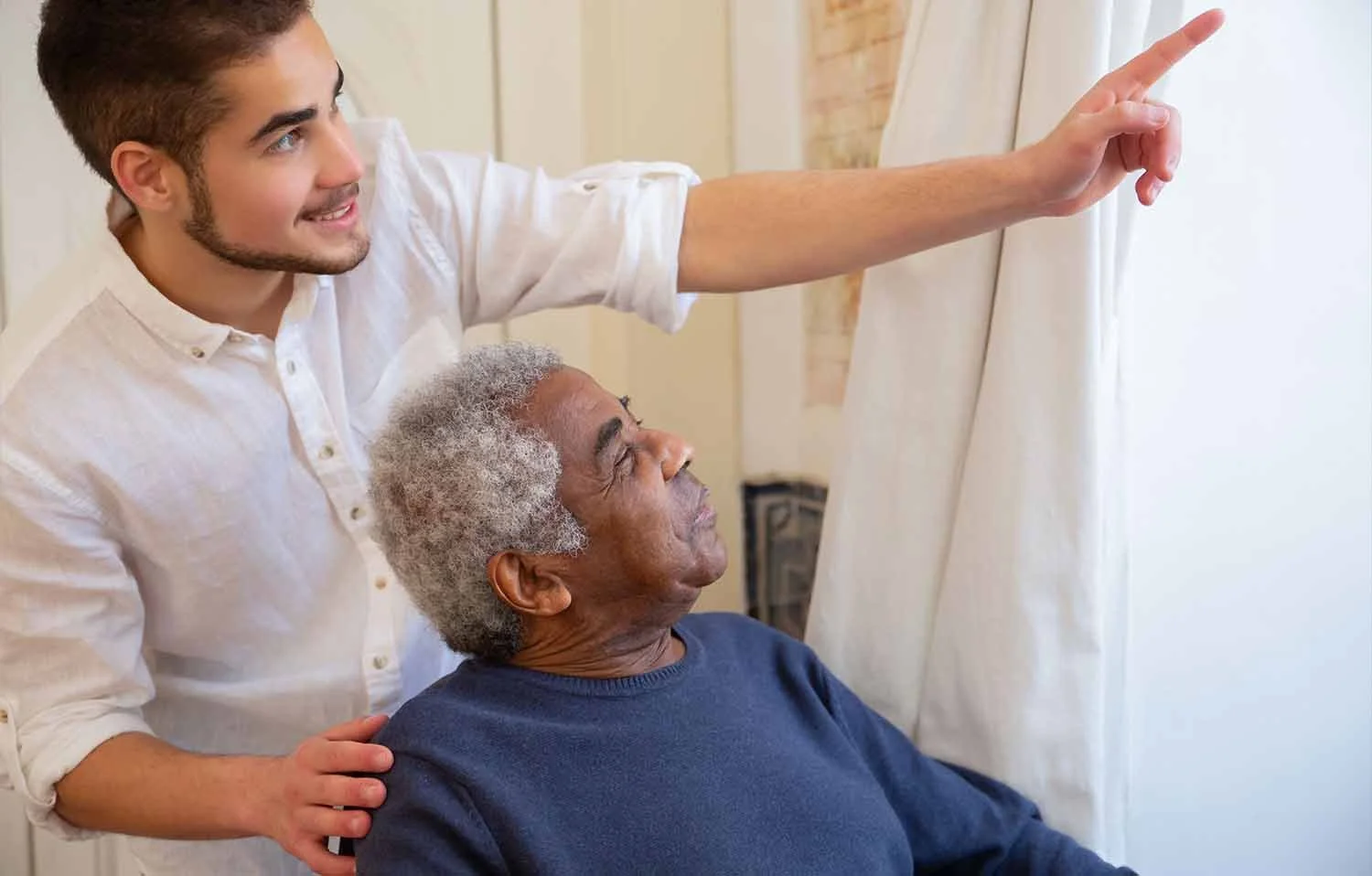
My father asked me the same question every day: “ Why can’t I go home? My mother will be terribly worried about me.” Situations like this call for redirection—the most useful tool a caregiver has. Here’s how I handled it: I would reassure my dad that all was well. “I spoke with your mother just an hour ago. She knows you’re staying the night here, so why don’t we play cards until dinner is ready?”
Follow their lead. They’re already confused enough as it is—don’t add to it.
When a loved one says, “I want to go home,” treat it as a quiet signal that they may soon try to leave. Respond calmly, but keep a gentle watch over them until you sense their attention has settled on something new and reassuring.
This advice is for anyone caring for someone with memory loss— nursing home staff, family members, everyone. When a patient insists on going home, they are at real risk of wandering off and getting lost, and the consequences can be serious.
To address the common and often heartbreaking plea of “I want to go home,” a nursing home in Germany constructed a fake bus stop directly outside its entrance. Lacking short-term memory, residents nevertheless recognize the familiar shape and color of the bus shelter—an artifact embedded in long-term recall— and sit there believing they are waiting to be taken home. Staff approach these patients not with correction, but with compassion, explaining that the next bus isn’t due for some time and offering to wait together inside over coffee. More often than not, they forget the original intent before the cup is empty. If such a thoughtful deception prevents disorientation and danger, then it is a kindness, not a comedy.
When patients can no longer recognize where they are, fear sets in. They may ask to go back to the safety of their own home— even if they are already sitting in it.
When a person with dementia asks to go home, they may not be asking about a house. Often, they’re expressing something else entirely—a wish to return to a time when life felt familiar and safe.
Once again, casually redirecting these folks’ thoughts is something every caregiver needs to master.
– Gary Joseph LeBlanc, CDCS, Founder, Dementia Mentors