The Loss of Short-Term Memory
When Dad received his Alzheimer' s diagnosis, the doctor tried to help us understand what would happen to his memory. "Imagine hiking in the woods,” he said, leaning forward in his chair. "The path to your favorite fishing spot—a route you've walked for decades—stays clear and easy to follow. But try bushwhacking to somewhere new, and those branches snap back into place behind you, erasing your way home.
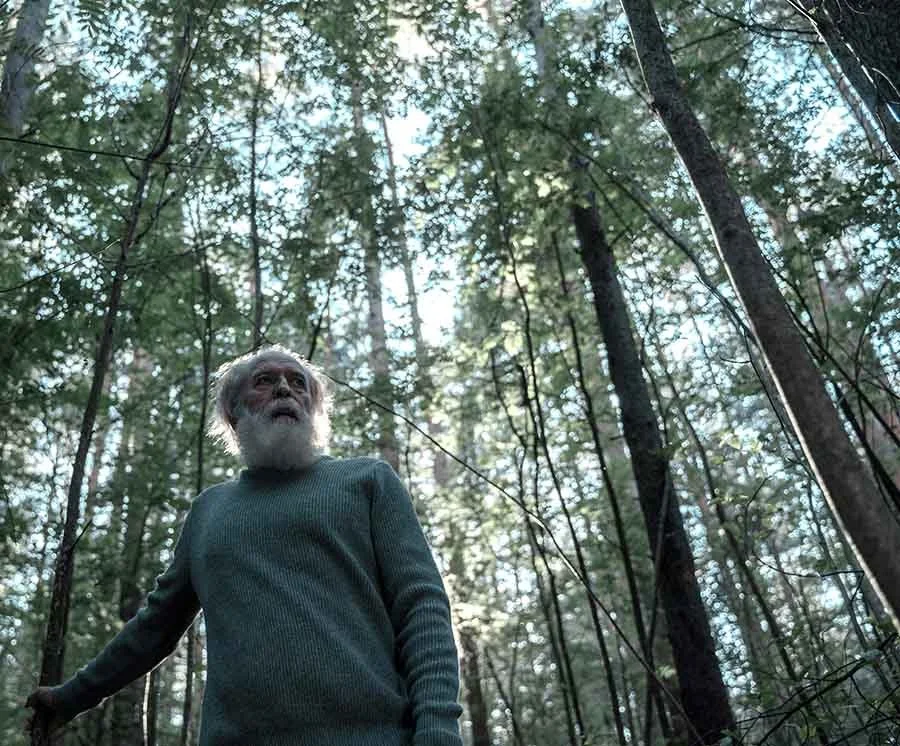
“He tapped his temple." Your brain works the same way. Childhood memories are like well-traveled highways—wide, smooth, familiar. But meeting someone new or remembering what you had for breakfast? That's like trying to navigate terrain where no road exists yet, not even a dirt trail."
Dad looked the doctor straight in the eye. "So, I' m going to be lost in the woods forever?"
"Not exactly," the doctor said. "In the beginning, you' ll find your way back to the trail often. As time passes, though, those clearings will grow further apart." Months later, I learned to dread the moment when Dad's eyes would suddenly widen with recognition—not of me, but of his own confusion. His face would crumble like a map being crushed, landmarks disappearing beneath the folds.
Nothing in my life has wounded me more deeply than witnessing those moments when he realized he had wandered off the path again.
I learned to redirect him like a stream finding a new course. "I loved that summer we spent on Shediac Bay?" I'd ask, or "Tell me about your first car again." His distress would dissolve, the creases in his forehead smoothing as he flowed into these familiar channels, his voice strengthening with each word about the past.
– Gary Joseph LeBlanc, Director of Education