Algorithms Good or Bad?
I recently spoke with a group of medical students preparing to embark on their journey toward becoming physicians. Their excitement reminded me of my own path—a path that took me far from traditional settings and shaped the way I practice medicine today.
Early in my career, I worked on the Pine Ridge Indian Reservation in the Black Hills of South Dakota, a truly isolated medical outpost. I later served as a ship surgeon for a major cruise line, sailing throughout the Caribbean—an experience that at times felt reminiscent of the 1980s “Love Boat,” but with very real medical responsibilities.
My work then took me to rural South Africa, where I oversaw a 36-bed burn unit—remarkably larger than the six beds at Tampa General Hospital at the time. There, I performed skin grafts not with modern electrical tools, but by hand using a swing blade. Primitive, perhaps, but effective.
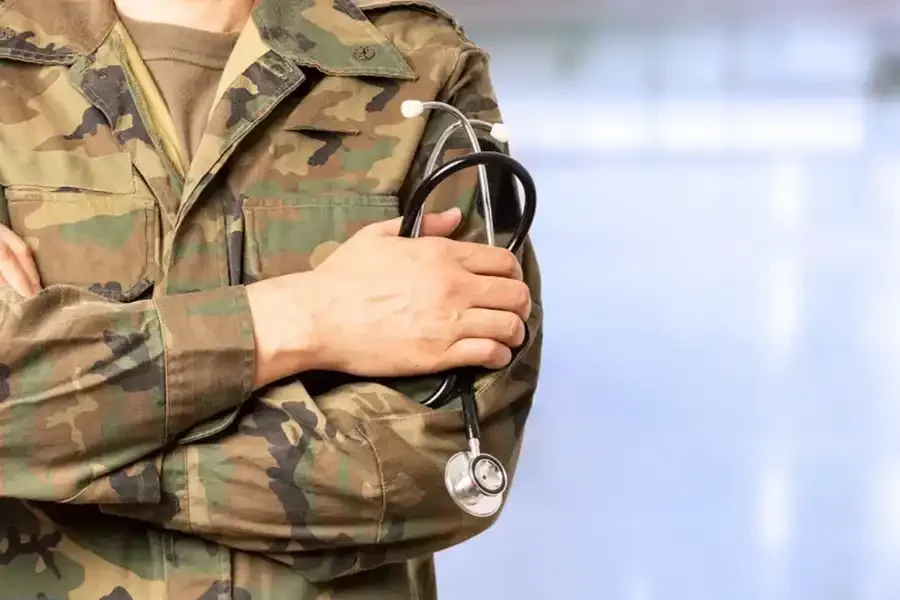
One of the most formative chapters of my career was serving as one of three physicians staffing a MASH unit (Medical and Surgical Hospital) for the United Nations Border Relief Operation along the Thailand–Cambodia border. We were responsible for the health of roughly 30,000 Khmer refugees in a camp less than a square mile in size. Every two weeks, the camp would come under attack by the Vietnamese Army. And every two weeks, I seemed to draw the short straw, remaining in the camp while the Thai Army engaged. At 6’6”, I can attest that foxholes were not built with me in mind—and the sound of AK-47 fire and rocket-propelled grenades overhead is something I will never forget. Yet despite the danger, the opportunity to help thousands of refugees made every risk worthwhile.
After returning home, I spent 12+ years as an emergency physician in the United States and now practice family medicine. I would not trade a moment of my experience; it has shaped me into the physician I am today. It has also given me immense appreciation for American medical training. In trauma and acute illness—heart attacks, strokes, severe infections—our system excels. Our ability to respond rapidly and effectively in emergencies is unmatched.
However, when it comes to chronic disease, our healthcare system often falls short. We are highly skilled at slowing decline—providing better wheelchairs, more physical therapy, or additional medications—but not as effective at helping patients truly heal or improve.
Chronic conditions such as post-stroke deficits, diabetes, cardiovascular disease, Alzheimer’s, Parkinson’s, and even many genetic disorders are typically managed through protocols and pharmaceutical algorithms. We are trained to follow stepwise drug pathways: five medications for depression, several classes for hypertension, standard regimens for asthma, seizures, or heart disease. When patients improve, we celebrate. When they do not, we accept that decline is inevitable.
But what if decline is not always inevitable?
Around 20 years ago, I realized that while I was highly effective in treating acute problems, I was far less successful with chronic, complex conditions—Crohn’s disease being one example. That realization led me to study genetics and biochemical pathways of disease. What I found changed the way I view chronic illness.
Many chronic conditions share a common thread related to cellular senescence—the process in which aging or stressed cells stop dividing properly, create dysfunctional cell lines, and generate significant inflammation. When this process becomes dysregulated, the result can manifest as cancer, autoimmune disease, cardiovascular disease, or other age-related conditions. Even some genetic disorders, such as muscular dystrophy, may involve senescent pathways.
As I explored these models, I began to see possibilities for improving—and in some cases reversing—chronic diseases. To my own surprise, I’ve seen meaningful improvements in conditions once considered hopeless. Among the Alzheimer’s and Parkinson’s patients I’ve treated, roughly 70% have returned either to baseline or near-baseline function. The remaining patients have stabilized or shown partial improvement. None have worsened. Though the sample size is small, the outcomes are encouraging and continue to grow.
Diseases such as type 1 and type 2 diabetes, rheumatoid arthritis, and osteoarthritis also have senescent qualities—and many patients respond positively when treatment goes beyond the traditional pharmaceutical framework.
I genuinely love practicing medicine today because viewing chronic disease through a broader biological lens has opened doors that standard protocols often overlook. While pharmaceuticals remain an important tool, they are not the only one. Much like a carpenter who uses more than just a hammer, physicians can be far more effective when equipped with a wider range of tools.
As traditionally trained physicians, we are taught to follow the algorithm. But true healing sometimes requires stepping outside of it. For patients seeking not just maintenance but improvement—sometimes the path forward lies beyond the conventional model.
John Young, M.D.
727-545-4600 YoungFoundationalHealth.com