Let’s Think About It
What if you could skip the blah blah blah and go straight to the source of every buying decision ever made? Welcome to Neuromapping—the frontier where neuroscience meets high-level branding.
What is Neuromapping?
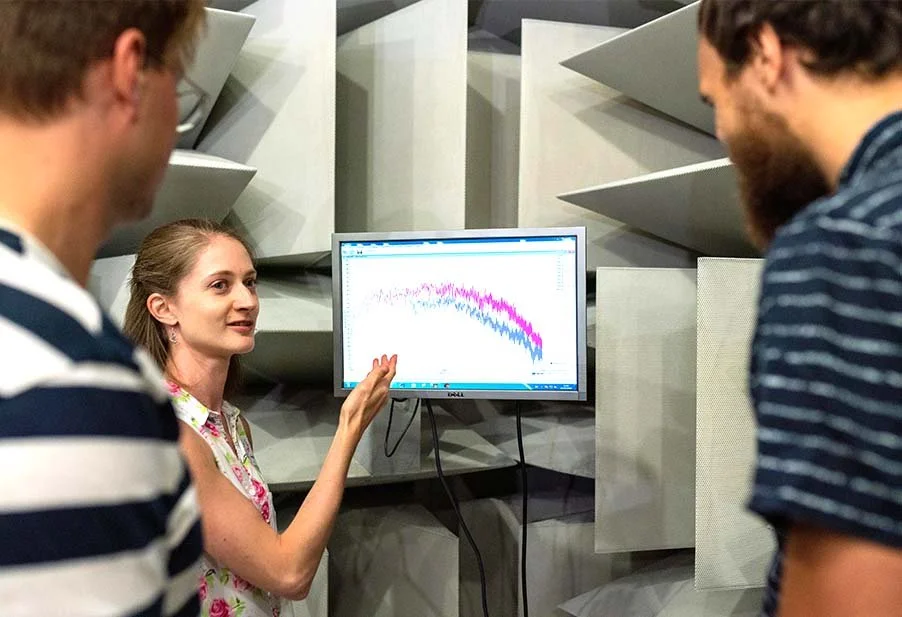
Think of Neuromapping as the difference between asking someone, "Are you hungry?" and simply hearing their stomach growl. One is what they say, the other is what their body is actually doing.
I’m not going to get into the weeds with all the technology developments, physiological testing, and studies done over the last two decades. However, I will provide an “in-a-nutshell” summary of neuromapping.
According to Dr. Christophe Morin, acclaimed neuroscientist and psychologist, there are two regions of the brain - the primal and the conscious. The primal handles our involuntary actions and it also drives instincts such as fight or flight. The conscious helps – and hinders – how we react based on the signals sent by the primal.
The primal works at warp speed. When we encounter a stimulus, it sends signals to the conscious region with predetermined, instinctual reaction. Is it love or hate, fear or attachment? Then our conscious brain reconciles and processes the signals while adding our biases, emotions, lies (yes, lies), etc. to produce a reaction.
When you see an ad, a play, a work presentation, or a social post, your reaction depends on the signals your primal region sends to your conscious. Based mostly on visual stimuli, your conscious will rationalize through all your biases, self-denials, and social inclinations to decide if you like, love, fear, or hate something – or not – because this has already been decided.
So what does all this mean?
In the marketing world, neuromapping is like having a backstage pass to the human brain. Yet, brands throw money at vibes, gut feelings, and focus groups. When coupled with data, an idea can turn into a good idea, but how we come by that data can lead us down the wrong path.
Focus groups have their place, however participants lie to sound smarter, cooler, or to fit in. A 2024 Marketing Science Institute study on snack packaging found that focus groups claimed to want minimalist, healthy designs, but their brains showed a massive spike in emotional engagement for high-contrast, vibrant colors. And when the packaging went vibrant, the product saw a 22% increase in sales.
Traditional marketing is like trying to read a book through a foggy window. Neuromapping wipes the window clean. It focuses on core thinking and it aims to stimulate the brain’s reward center. Doing so make transactions feel like wins and help encode a brand to long-term memory.
So today, smart marketers are moving away from interrogating customers with surveys and moving toward understanding the human software we all run on.
Patrick Baxter, Chief Creative, BaxterBranded.com